Modern Home Design Trends in Arizona for 2026
Arizona continues to stand out as one of the most desirable places to live in the United States, with Scottsdale ranking among the top 10 happiest cities in the U.S. In 2026, that appeal is stronger than ever. Building on the successful acquisition of Evermore Homes in 2025, Davidson Homes has integrated its high standards for quality and design into the Arizona market — particularly in fast-growing communities like Prescott Valley.
Arizona homes are evolving to reflect a new set of priorities: comfort, longevity, and a deep connection to the high-desert environment. Buyers are moving beyond square footage alone and looking for homes that support how they work, relax, and entertain.
This guide explores the most important modern home design trends shaping Arizona in 2026, with a focus on real examples, data-backed insights, and what today’s buyers should expect when exploring new home communities in Arizona.
Key Takeaways
- Desert modern architecture remains the foundation of modern homes in Arizona for 2026, evolving through warm minimalism with earth-toned color palettes, textured materials, and functional furniture.
- Indoor-outdoor living has become a standard feature, with covered patios, sliding glass doors, and shaded outdoor areas designed for year-round enjoyment.
- Energy efficiency and smart technology are increasingly essential in Arizona homes, helping homeowners manage cooling costs and long-term comfort.
- New construction continues to gain momentum in Arizona, with builders filing permits for nearly 9,000 new homes and annual growth around 9%, reflecting strong demand for modern Arizona home plans designed for long-term livability.
Climate-Driven Architecture Shaping Modern Homes in Arizona
Arizona’s climate plays a defining role in how homes are designed. In 2026, climate-responsive architecture is not a luxury feature — it is an expectation.
Designing for Heat and Sun
Arizona homes must manage intense sunlight and high temperatures for much of the year. Modern designs address this with architectural elements like deep roof overhangs, covered entryways, and recessed windows. These features reduce direct sun exposure and help maintain cooler interior temperatures.
Exterior color also plays an important role. Lighter stucco tones such as sand, limestone, and warm ivory are commonly used because they reflect heat more effectively than darker finishes. Accent materials like natural stone or charcoal metal provide contrast without increasing heat absorption.
Passive Cooling and Layout Strategies
Passive cooling is a cornerstone of Arizona home design. Floor plans are oriented to minimize west-facing windows, which are most exposed to afternoon heat. Many modern homes include central courtyards or shaded patios that encourage airflow and create cooler microclimates.
Interior layouts support this approach by aligning living spaces along shaded sides of the home. Bedrooms are often placed away from direct afternoon sun, while kitchens and great rooms benefit from morning light. These design decisions reduce reliance on air conditioning and improve everyday comfort.
Materials That Perform in the Desert
Material selection is critical in Arizona’s environment. High-performance windows with low solar heat gain coefficients are now increasingly common in modern homes. Exterior finishes favor stucco, stone veneer, and fiber cement siding due to their durability and resistance to fading.
Inside the home, porcelain tile floors are popular for their ability to stay cool underfoot and withstand heavy use. These practical choices are also aesthetic, reinforcing the clean, grounded look associated with modern Arizona homes.
The Evolution of Arizona Home Design Aesthetics
While climate shapes structure, lifestyle and regional identity influence its design aesthetic. In 2026, Arizona home design reflects a balance between modern comfort and desert-inspired style.
Desert Modern as a Foundation
Desert modern design remains a defining style across Arizona. This aesthetic features flat or low-sloped roofs and emphasizes clean lines throughout both the architecture and interior furniture, along with expansive windows that frame desert views. Interiors are open but not cavernous, with clearly defined zones for living, dining, and cooking.
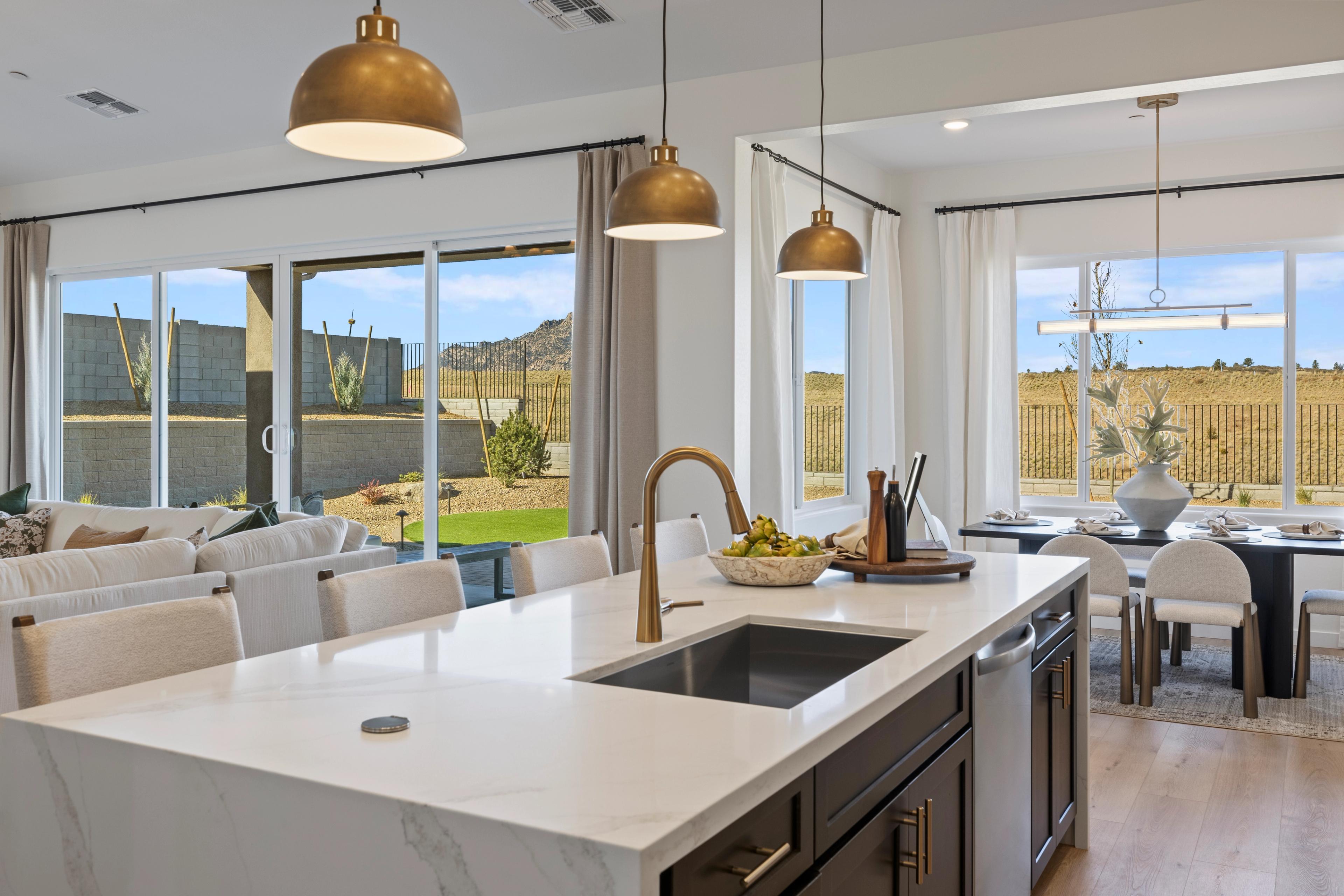
Furniture and interior elements support this aesthetic with natural materials and simple silhouettes. Low-profile sofas, streamlined sectionals, and solid wood dining tables in finishes like walnut or white oak help anchor open living spaces while maintaining visual simplicity.
Warm Minimalism Over Stark Modernism
A noticeable design shift in recent years is the move toward warm minimalism. Instead of traditional minimalism, which is defined by stark white interiors and ultra-sleek finishes, homeowners are embracing earthy tones and natural textures.
Walls are often painted in shades like soft clay, warm taupe, or pale greige rather than bright white. Textural elements—such as plaster accent walls, slatted wood features, and woven textiles—add depth and warmth. Upholstered furniture leans toward comfort, with boucle chairs, linen sofas, and leather ottomans in camel or cognac tones. These choices make modern homes in Arizona feel inviting rather than austere.
Color Palettes Rooted in the Landscape
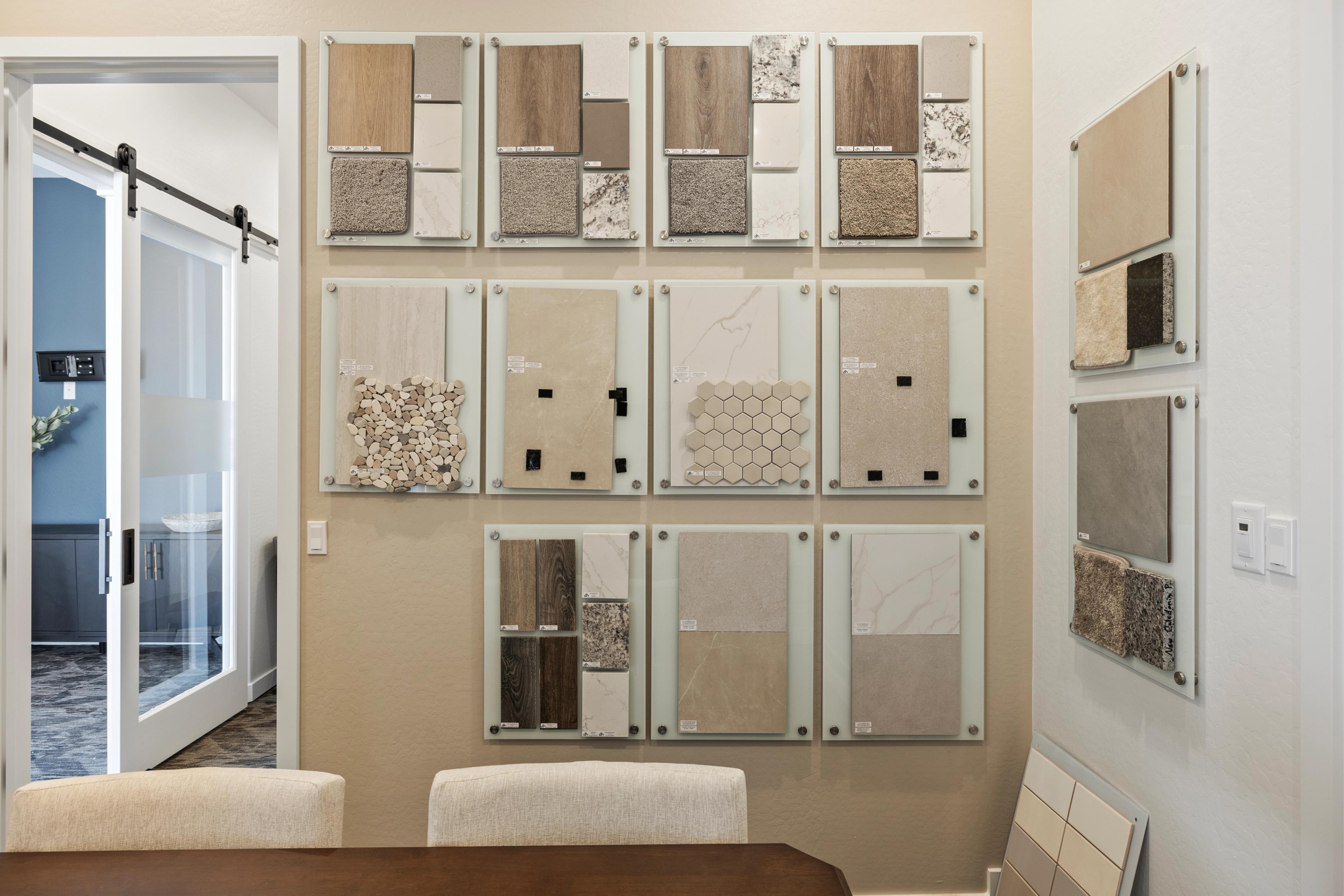
Color trends in Arizona homes are increasingly expressive while remaining rooted in nature. Designers are layering earthy base tones with richer accent colors. This approach creates visual depth, making rooms feel more dynamic and inviting. Terracotta, rust, and adobe red appear in tile backsplashes or powder room walls. Deep greens inspired by desert plants are used in cabinetry or built-ins.
According to recent design reporting, jewel tones like deep plum, indigo, and jade are gaining popularity as accent colors in 2026, often appearing in upholstered furniture or statement lighting. These hues provide contrast and personality without overwhelming the space. However, some are still sticking to a more classic, light, and minimalist approach in desert-style homes. Think light and airy, like Pantone’s 2026 Color of the Year, PANTONE 11-4201, which is a natural shade of white.
Indoor-Outdoor Living as a Core Design Principle
Indoor-outdoor living has long been associated with Arizona homes, but in 2026 it has become an essential design element rather than an optional upgrade.
Functional Outdoor Spaces
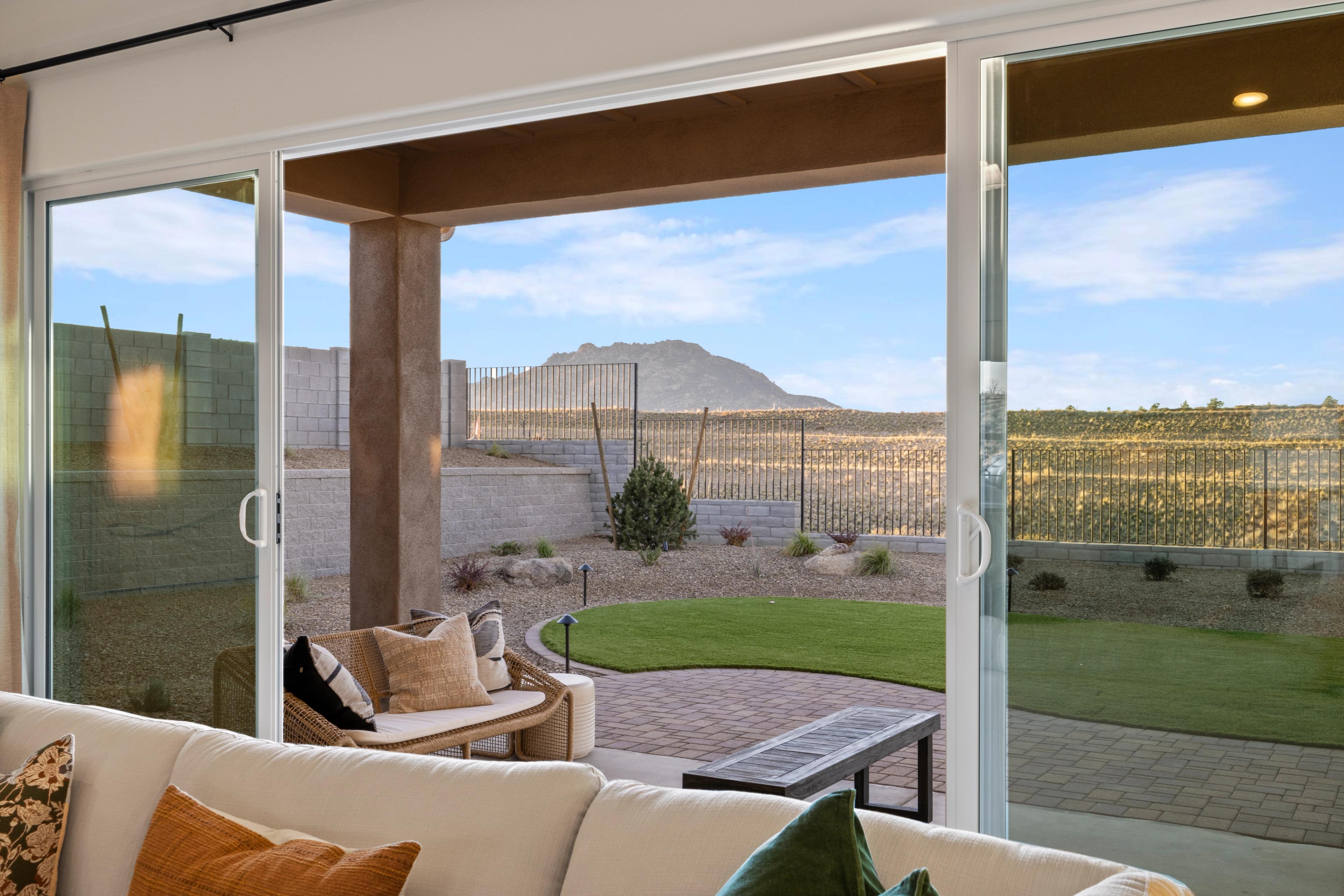
Modern Arizona homes treat outdoor areas as true extensions of the interior living space. Covered patios are designed to accommodate dining tables, lounge seating, and sometimes outdoor kitchens. Materials like concrete pavers, stone countertops, and weather-resistant cabinetry ensure these spaces are durable and easy to maintain.
Furniture selections often include teak or powder-coated aluminum frames with neutral cushions that resist fading. Area rugs made from recycled plastics add comfort while standing up to sun exposure.
Seamless Transitions Between Inside and Out
Large sliding or folding glass doors are a defining feature of modern homes in Arizona. These doors create a strong visual connection between indoor and outdoor areas and make it easy to move between the two spaces. Flooring materials are often carried from inside to outside to reinforce this connection, such as matching tile or complementary concrete finishes. Incorporating natural finishes like wood or stone further enhances the seamless transition and creates a cohesive, inviting atmosphere.
This seamless transition supports entertaining and everyday living, especially during Arizona’s mild spring and fall seasons.
Climate-Responsive Design and Energy Efficiency
While architectural design plays a major role in managing Arizona’s heat, technology and building systems are increasingly helping homeowners improve energy efficiency and long-term comfort. Rather than relying solely on mechanical systems, many builders are incorporating architectural strategies that help regulate indoor temperatures naturally.
Design choices such as deeper roof overhangs, shaded patios, and strategic window placement can significantly reduce direct sun exposure. High-performance windows that limit solar heat gain are also increasingly common in new construction, helping homes stay cooler during Arizona’s hottest months.
Technology often supports these design strategies as well. Smart home systems that manage climate settings, irrigation, and shading allow homeowners to adjust their homes based on daily weather conditions while improving overall energy efficiency.
Together, these features reflect a broader shift toward climate-responsive home design that prioritizes long-term comfort and sustainability in the Arizona environment.
Flexible Floor Plans and Purpose-Driven Spaces
Modern lifestyles are influencing how homes are designed, and flexibility has become a major priority in new construction. Arizona home plans increasingly include spaces that can adapt to changing needs over time.
Home Offices and Multi-Use Rooms
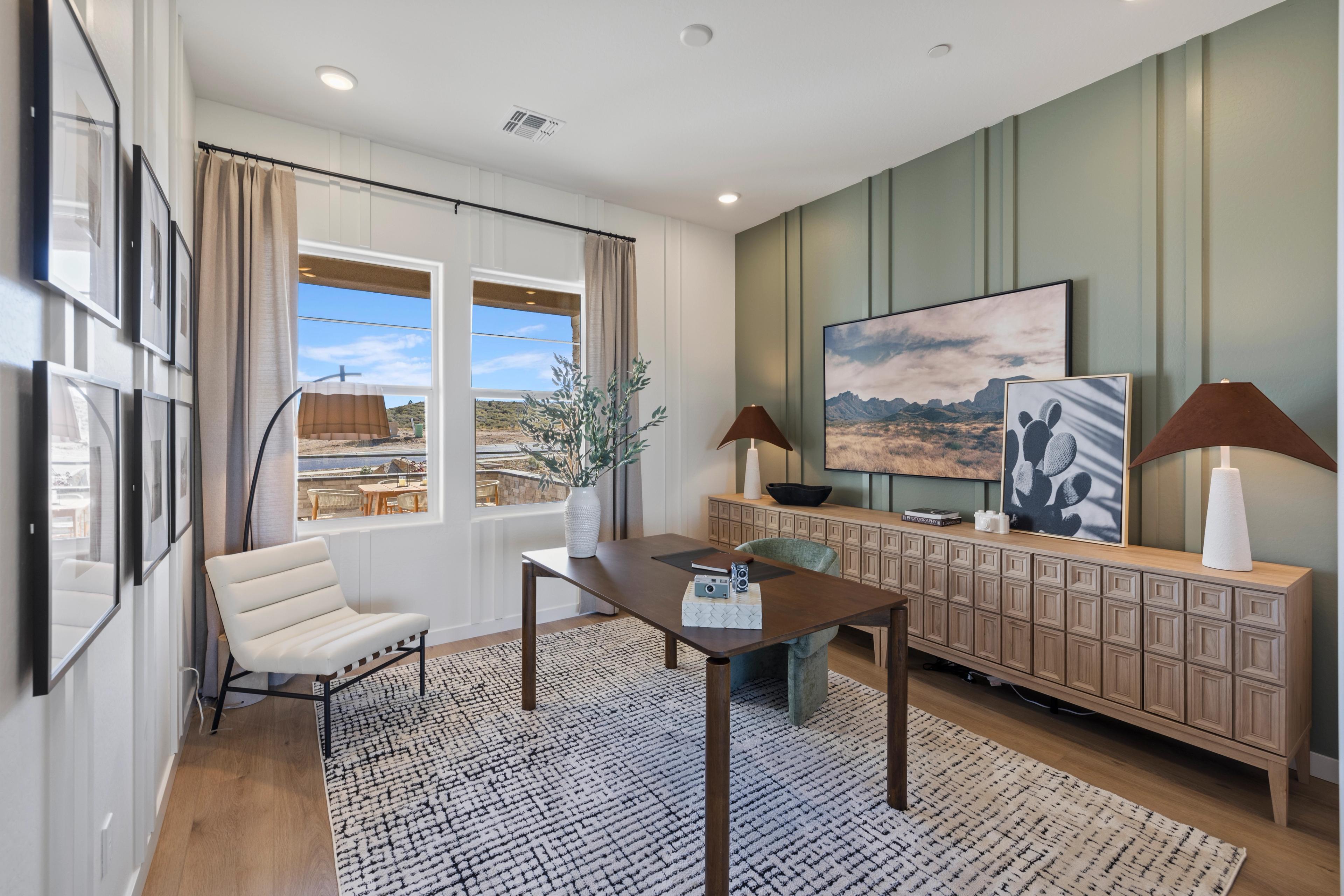
Many modern homes now incorporate dedicated office spaces or flexible rooms that can function as a home office, guest room, workout area, or hobby space. These rooms are typically positioned away from main living areas and designed with natural light and practical layouts that support everyday use.
Multi-Generational Living
Multi-generational living is also influencing modern home design. Some Arizona homes now include secondary suites or split-bedroom layouts that allow extended family members or long-term guests to have greater privacy while still sharing the same home.
Discover Modern Living with Davidson Homes in Arizona
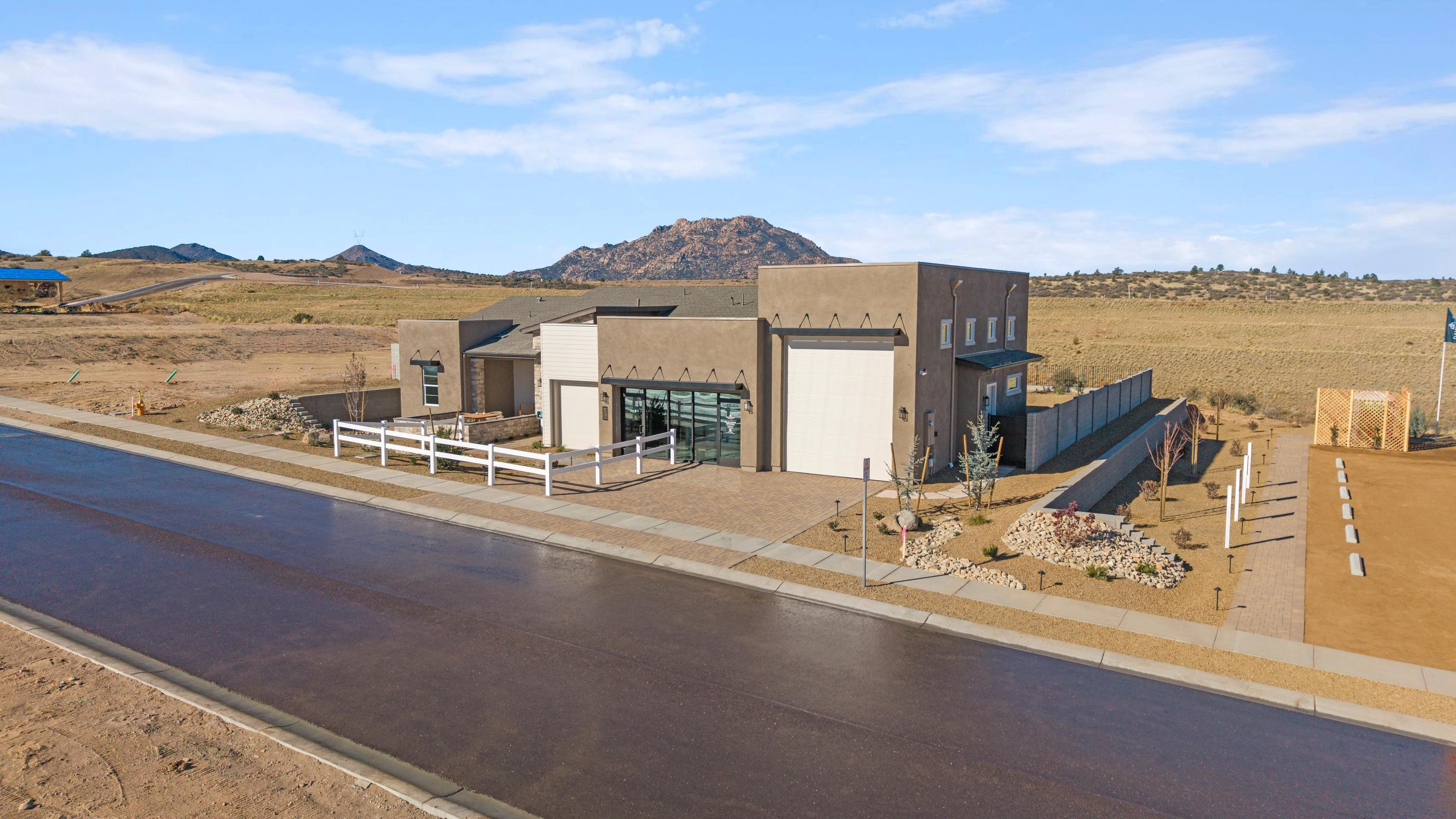
The trends shaping Arizona's modern homes—from thermal efficiency to open-concept flow—are best seen in action at Hidden Hills. Here, the architecture is designed to work with the Prescott landscape rather than against it.
By prioritizing oversized homesites that border natural open space, the design maintains the mountain views and privacy that define high-desert living. This integration of the environment is a key pillar of modern Arizona design, and it’s reflected in our single-level floor plans ranging from 2,148 to 2,578 square feet. Even the functional options, like the 40’ attached RV garages, are integrated into the home's profile to maintain a clean, contemporary exterior.
Final Thoughts
Ultimately, the shift toward modern home design in Arizona is about more than just aesthetics — it’s about a home that functions as well as it looks. Whether it’s through better site selection or layouts that prioritize natural light and flow, these elements come together to create a space that feels both current and enduring.
If you’re looking to see how these modern design principles are being applied in Prescott, we invite you to explore the homesites and options available at Hidden Hills.